Inside the Consultation: Why We Floated the Furniture
One of my favorite parts of working with clients is solving design challenges that aren't immediately obvious. Sometimes a room doesn't feel quite right, but the reason has nothing to do with the furniture itself—it's about how the space functions.
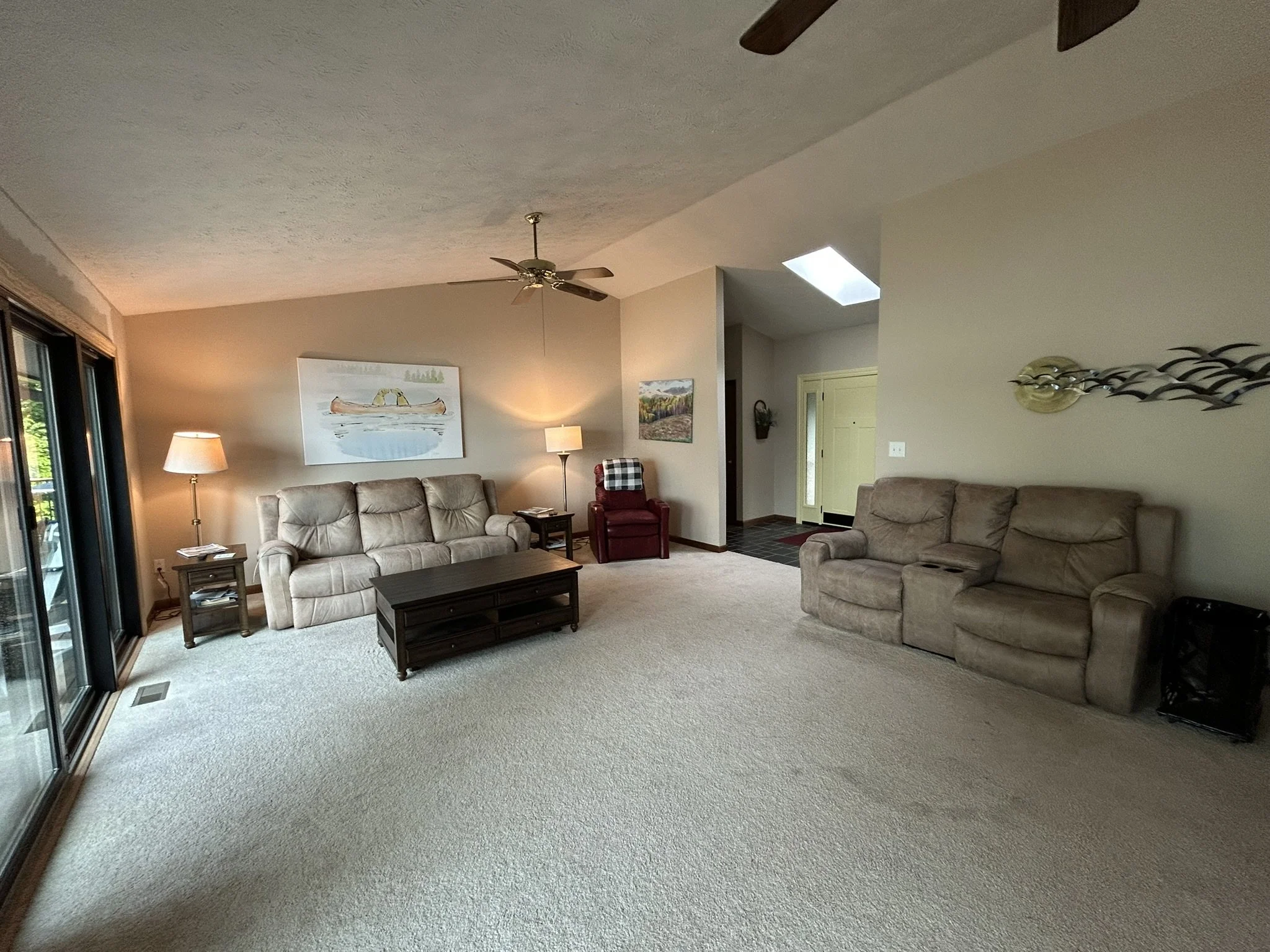
This living room was a perfect example.
The homeowners wanted a home that felt brighter, more open, and more modern. One of the biggest opportunities to accomplish that was opening the wall between the living room and the adjoining dining room and kitchen.
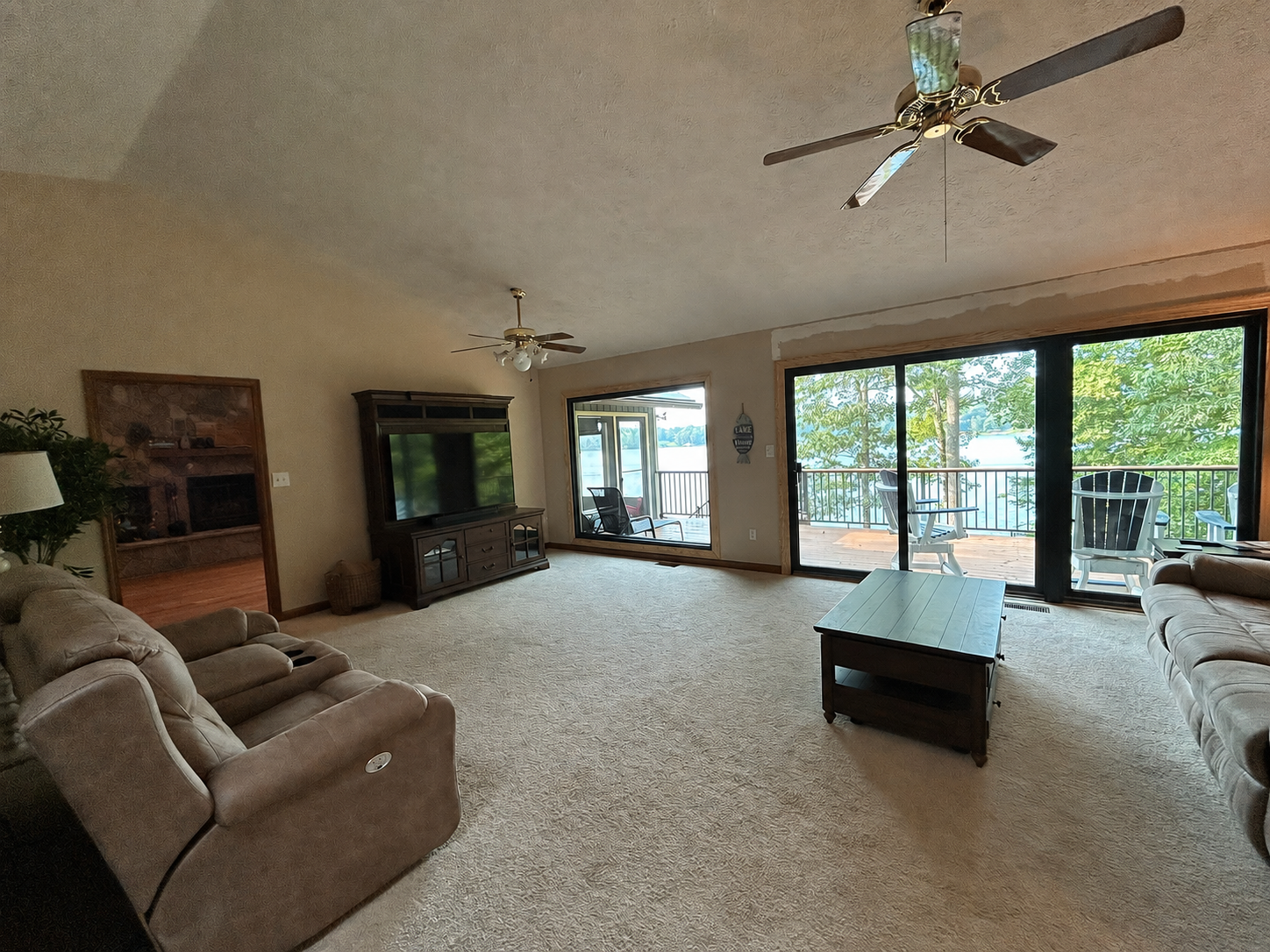
Not only would removing the wall create the open-concept feel they were hoping for, but it would also allow the large windows in the living room to share their natural light with the spaces beyond. The dining room and kitchen felt noticeably darker than the rest of the home and opening the wall would help carry daylight throughout the main living area, making the entire home feel lighter and more connected.
But every design decision has a ripple effect.
Once that wall was removed, we also lost one of the primary surfaces that would normally anchor the furniture. Suddenly, arranging the room became less straightforward than it may have seemed.
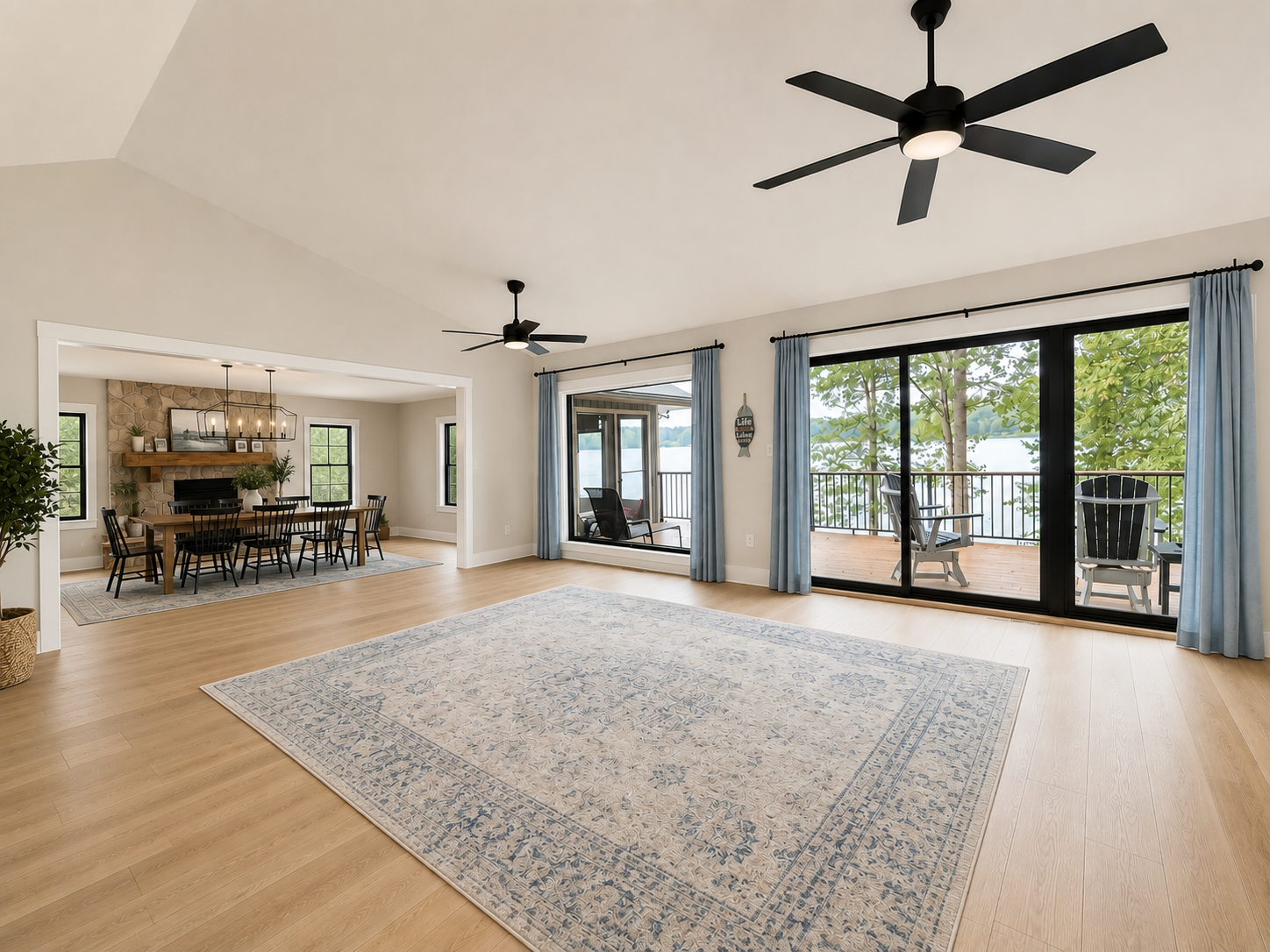
The living room was generously sized, but it fell into an interesting category. It wasn't small by any means, yet it also wasn't large enough to comfortably create two separate seating areas. If all of the furniture had simply been pushed against the remaining walls, the room would have been left with a large empty space in the middle that felt disconnected and underutilized.
Instead, I recommended floating the furniture.
For many homeowners, this can feel a little intimidating because we've been conditioned to believe that furniture belongs against the walls. In reality, pulling furniture into the room often creates a more inviting, functional space—especially in larger rooms.
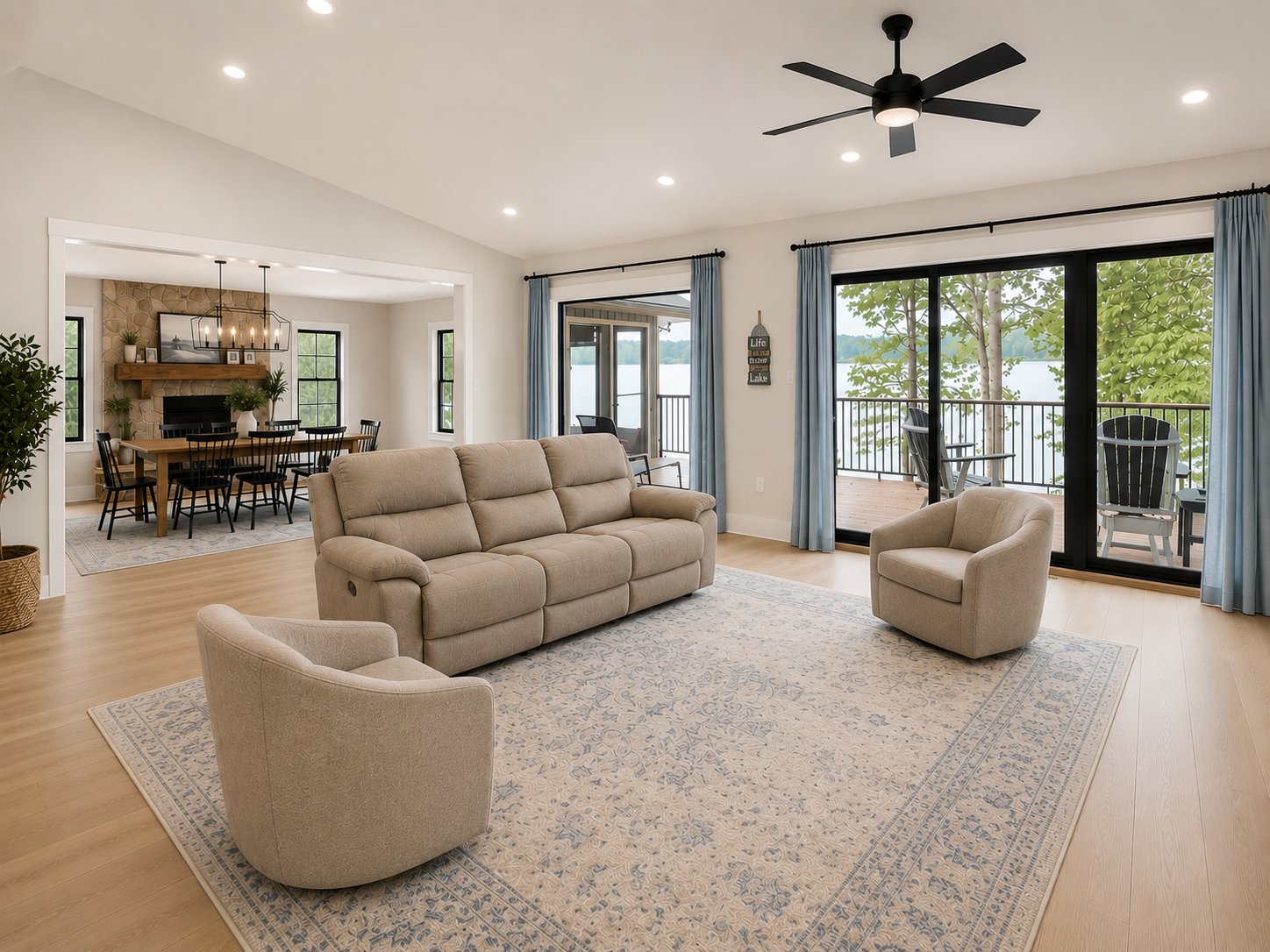
By floating the seating area, we were able to create a defined gathering space that felt intentional and comfortable while still maintaining clear pathways through the home. It also helped the living room feel proportional to its size, rather than like a collection of furniture spread around the perimeter.
One of the things I love most about interior decorating is that there usually isn't a single "correct" answer. Every recommendation is shaped by the home's architecture, the way natural light moves through the space, and—most importantly—how the homeowners want to live in it.
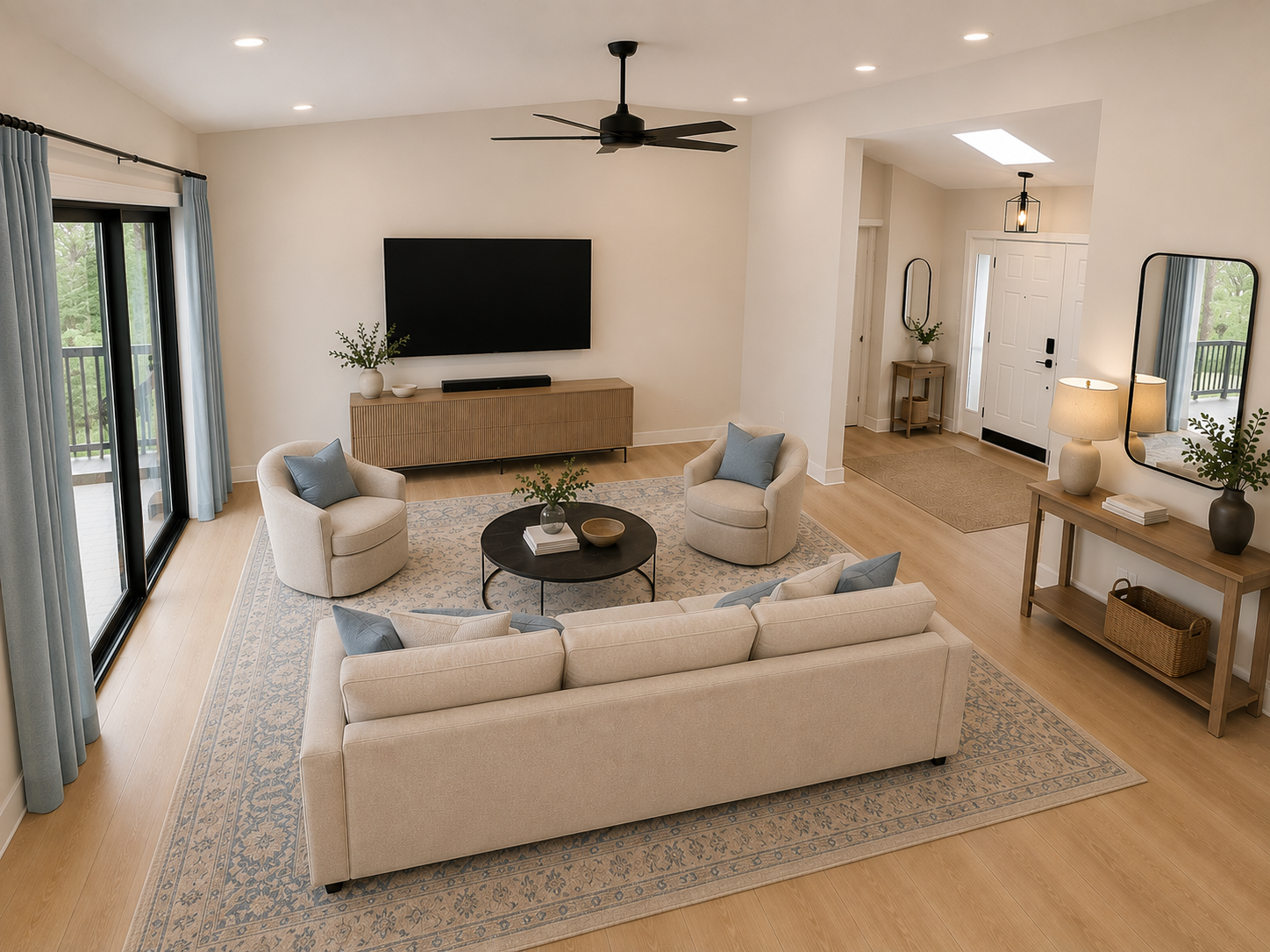
In this project, opening the wall wasn't just about making the house feel larger. It was about creating better flow, bringing natural light deeper into the home, and then rethinking the furniture layout so the newly opened space worked just as beautifully as it looked.
Design Takeaway
A common misconception is that every piece of furniture should sit against a wall. In many homes, especially larger living rooms, floating furniture can actually make the space feel more connected, comfortable, and purposeful. The goal isn't to fill every inch of the room—it's to create a layout that encourages conversation, supports everyday living, and makes the home feel naturally inviting.