Seasonal Home Selling Tips
Cowritten by Kacie Jenkins, Realtor at Oak Realty RVA
Selling your home is never a one-season fits all process — the market shifts throughout the year, and so does the way buyers experience a space. That’s why I’m teaming up with my friend and local realtor, Kacie Jenkins, to share a seasonal guide that brings both sides of the equation together: seasonal market trends from her perspective, and simple design and styling updates from mine.
Whether you’re preparing to list in the bright energy of spring, the long days of summer, the cozy months of fall, or even the quieter winter market, small tweaks can make a big difference. With the right listing strategy and a few thoughtful adjustments to lighting, décor, and curb appeal, your home can look its best — and attract the right buyers — any month of the year.
Realtor’s Take: Understanding Seasonal Market Trends
Listing Timing
Nationally, the busiest season for home sales tends to be during spring and early summer. This is when more buyers are actively searching, daylight is longer, and families aim to move before the next school year. Many markets also see a smaller second wave in late summer and early fall, when serious buyers regroup after summer travel and before the holidays. Listing activity often slows in late fall and winter because of shorter days, holiday commitments, and weather - although it’s worth noting that the buyers who are out shopping during the winter are often highly motivated.
That said, seasonality isn’t one-size-fits-all. Local market timing can peak — and dip — differently based on weather patterns, school schedules, major employer relocation cycles, and even neighborhood-level supply and demand. In practice, two areas just a few miles apart can behave like completely different markets if they have differing inventory, school demand, or housing styles. That’s why working with a realtor who truly knows the area matters — because the best listing window is often a specific 2–4 week stretch for your neighborhood and price point, not necessarily the generic “list in spring” rule.
Pricing Strategy
Pricing shifts seasonally because housing supply and demand shifts throughout the year. During peak periods, more buyers are competing, but more listings also enter the market — which means buyers have plenty of options and homes still need to be priced correctly to stand out. In slower seasons, fewer buyers are looking, but inventory is often lower too — so pricing can remain strong if your home is one of the best options available. The key is understanding that pricing isn’t just about the season; it’s about how your home compares to the current competition and what buyers are actually willing to pay in that moment.
To get top dollar in any season, the most important move is getting the initial listing price right. The market responds strongest when a listing is fresh. If you start too high and then reduce later, you are often left chasing the market after the best window for attention has passed. A smart strategy combines taking into account recent comparable sales, current active listings, and pending activity to land in the right buyer search ranges online. In slower seasons, a seller can still have a great outcome by making sure the house is in good condition, presents well during showings, and sometimes by offering buyer-friendly terms, like including a pre-listing inspection or closing cost credit if that’s common in your area.
Staging
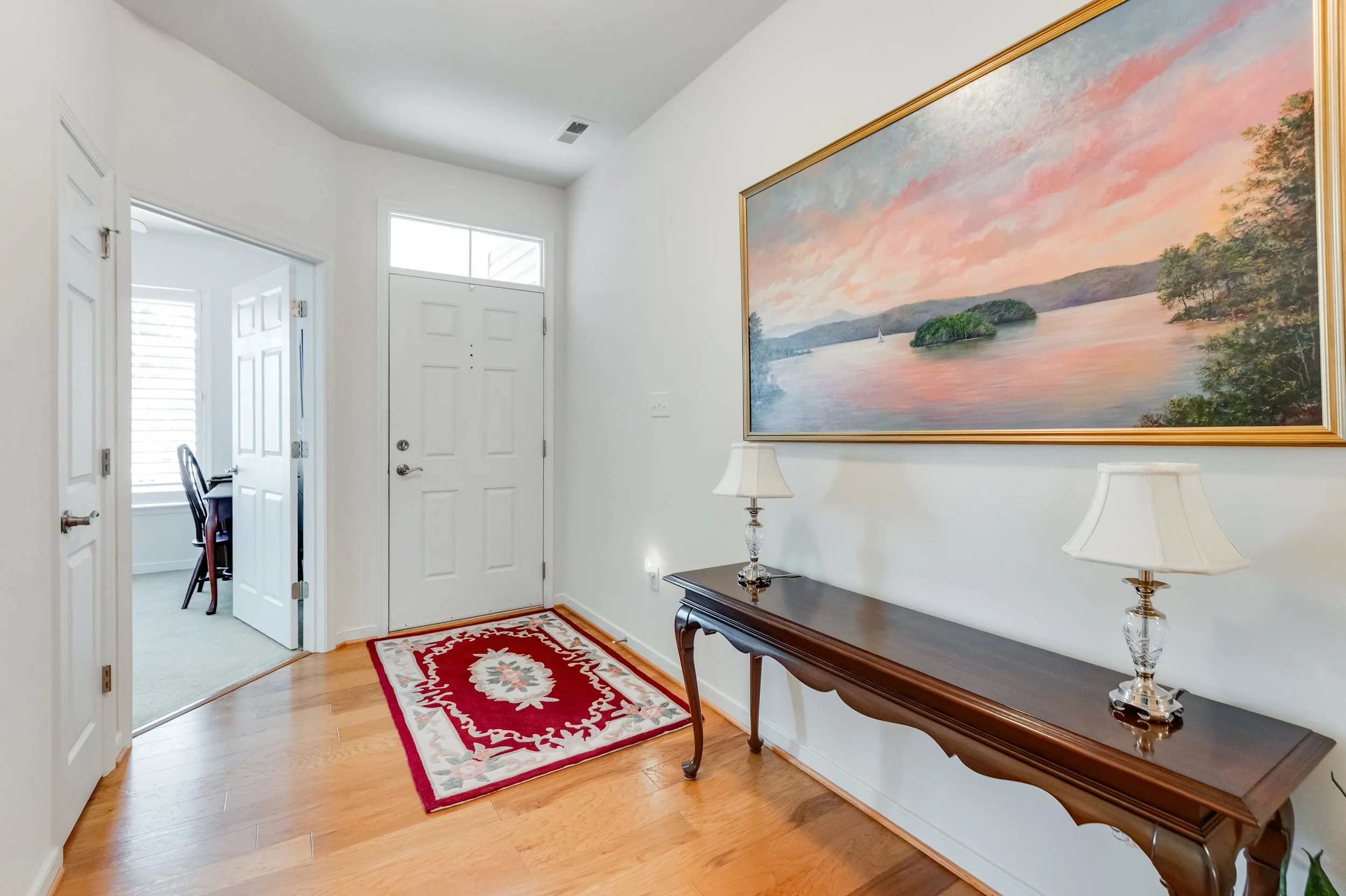
In spring, buyers respond to homes that feel light, clean, and refreshed. Bright natural light, sparkling windows, simple greenery, and a welcoming entry go a long way toward creating that “new beginning” vibe people associate with spring moves. This is also a great season to tidy landscaping and highlight outdoor transitions — like porches, patios, and back doors — because buyers are imagining how they’ll use those spaces.
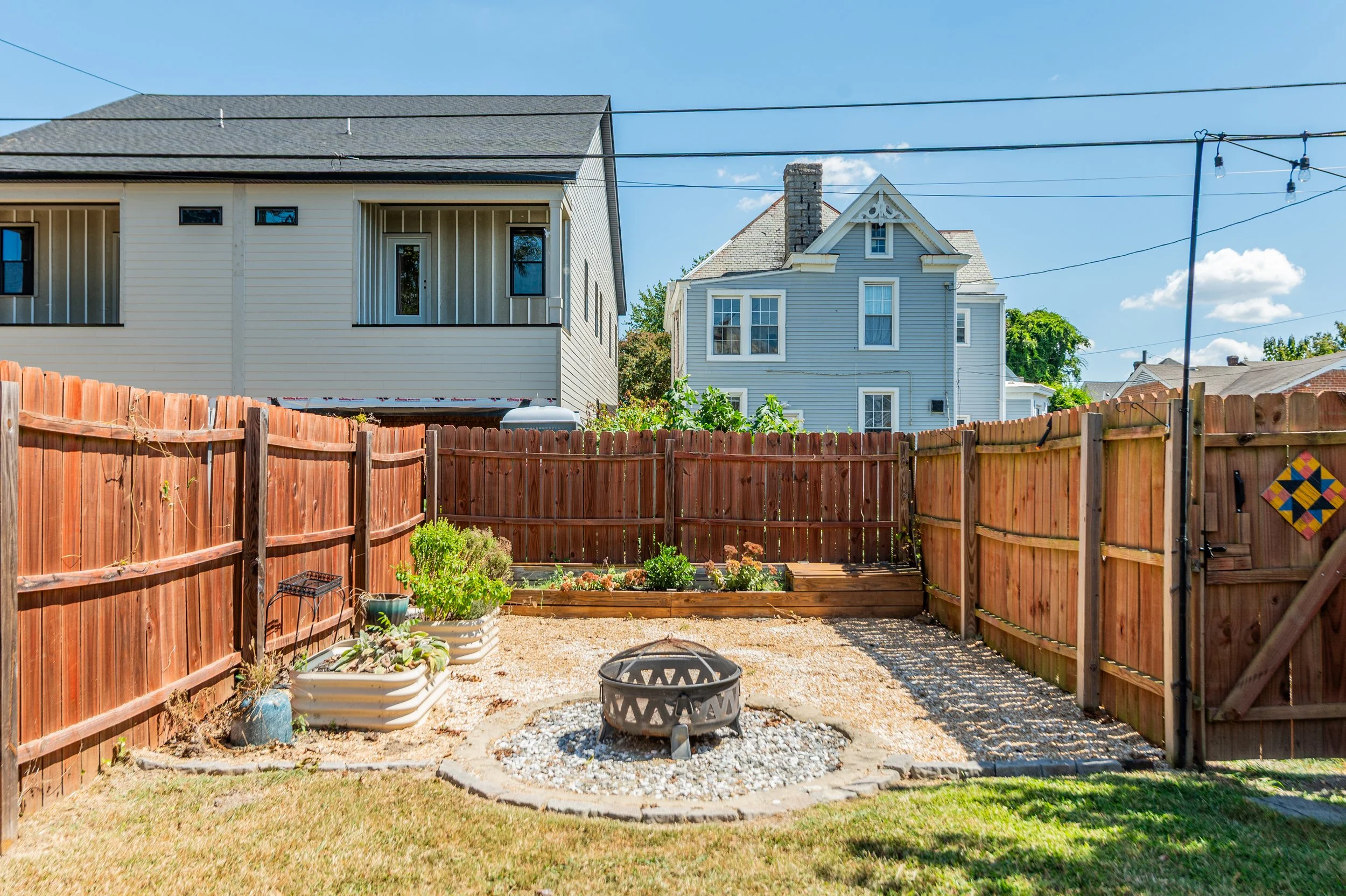
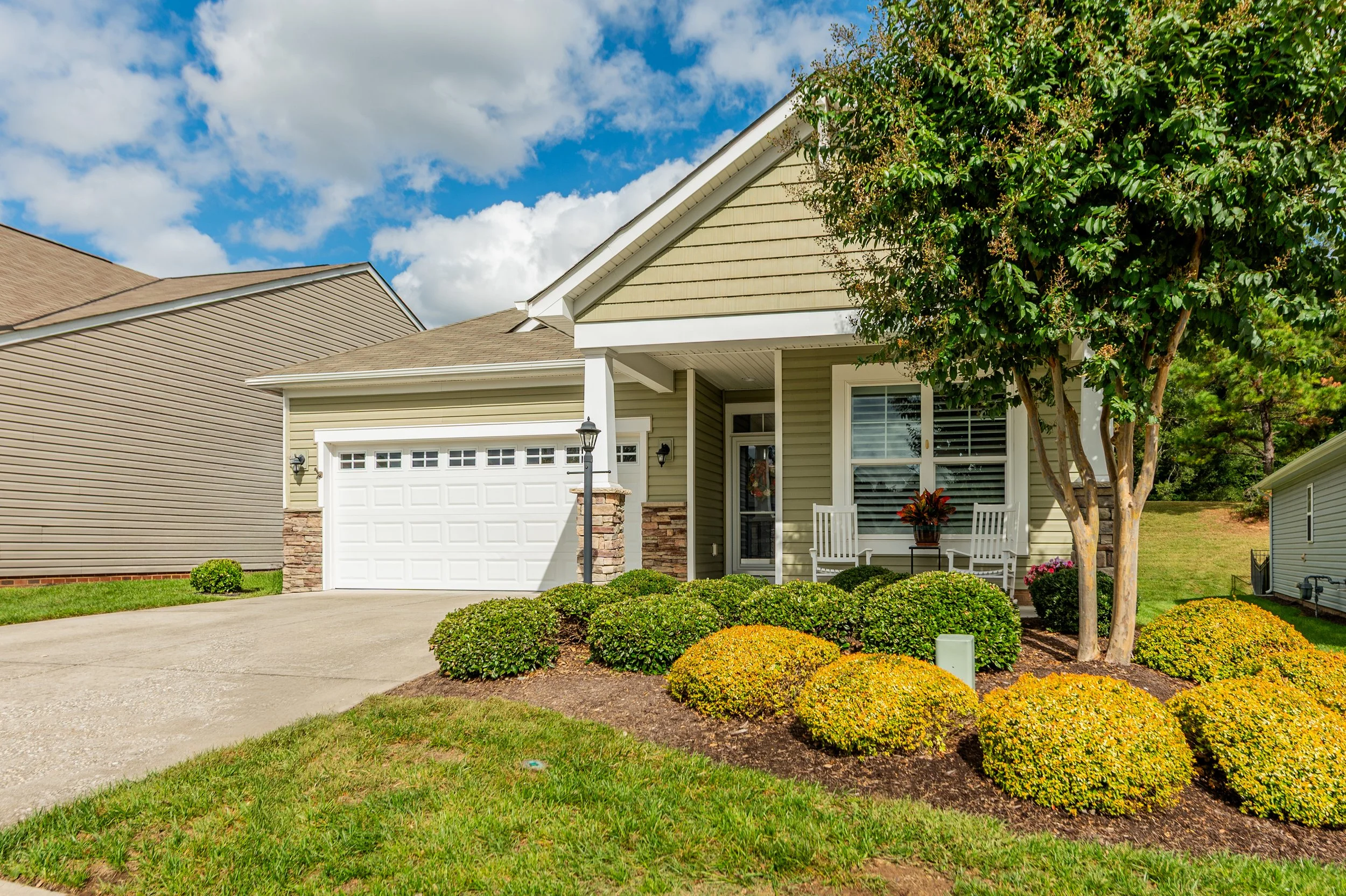
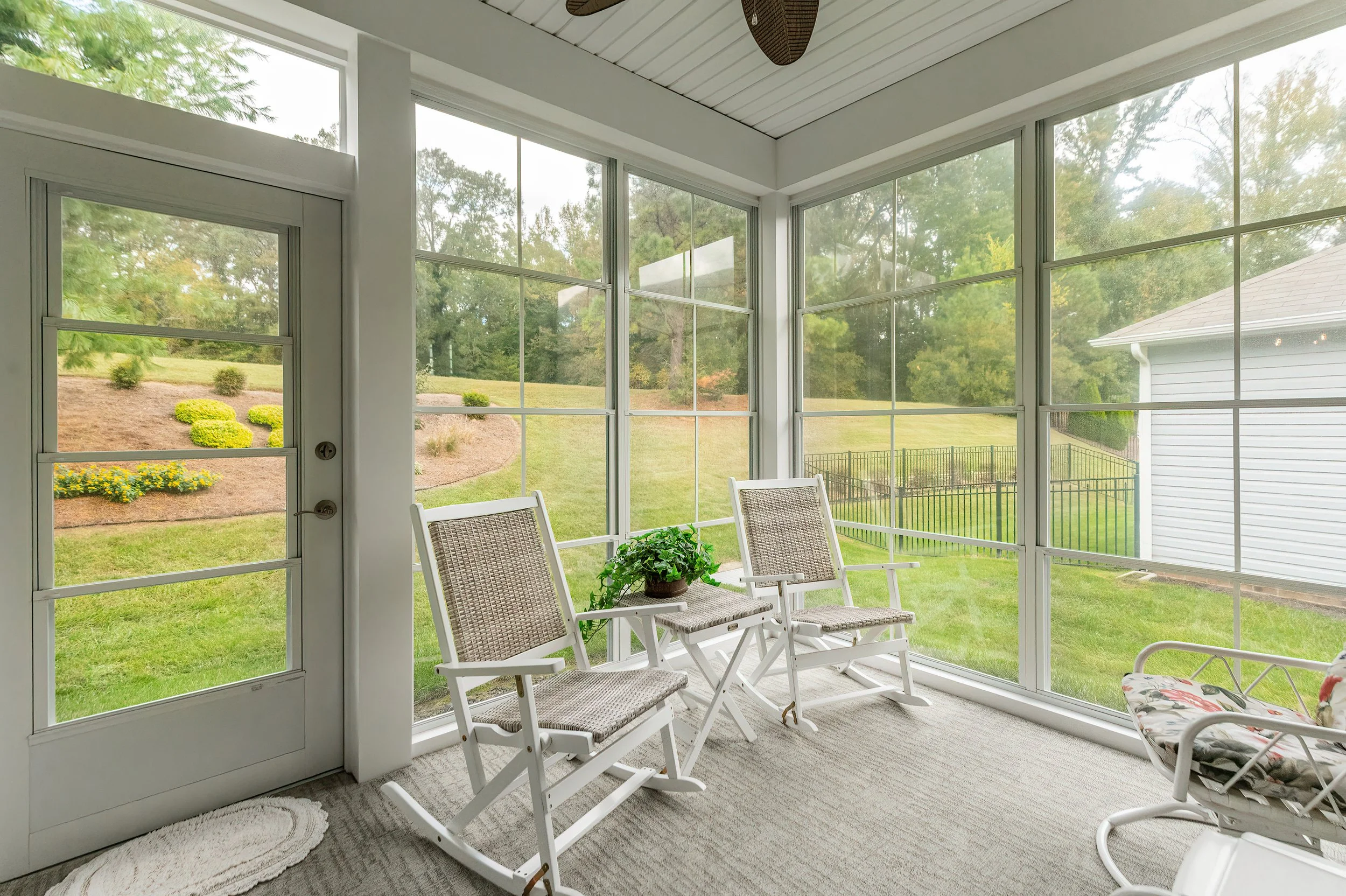
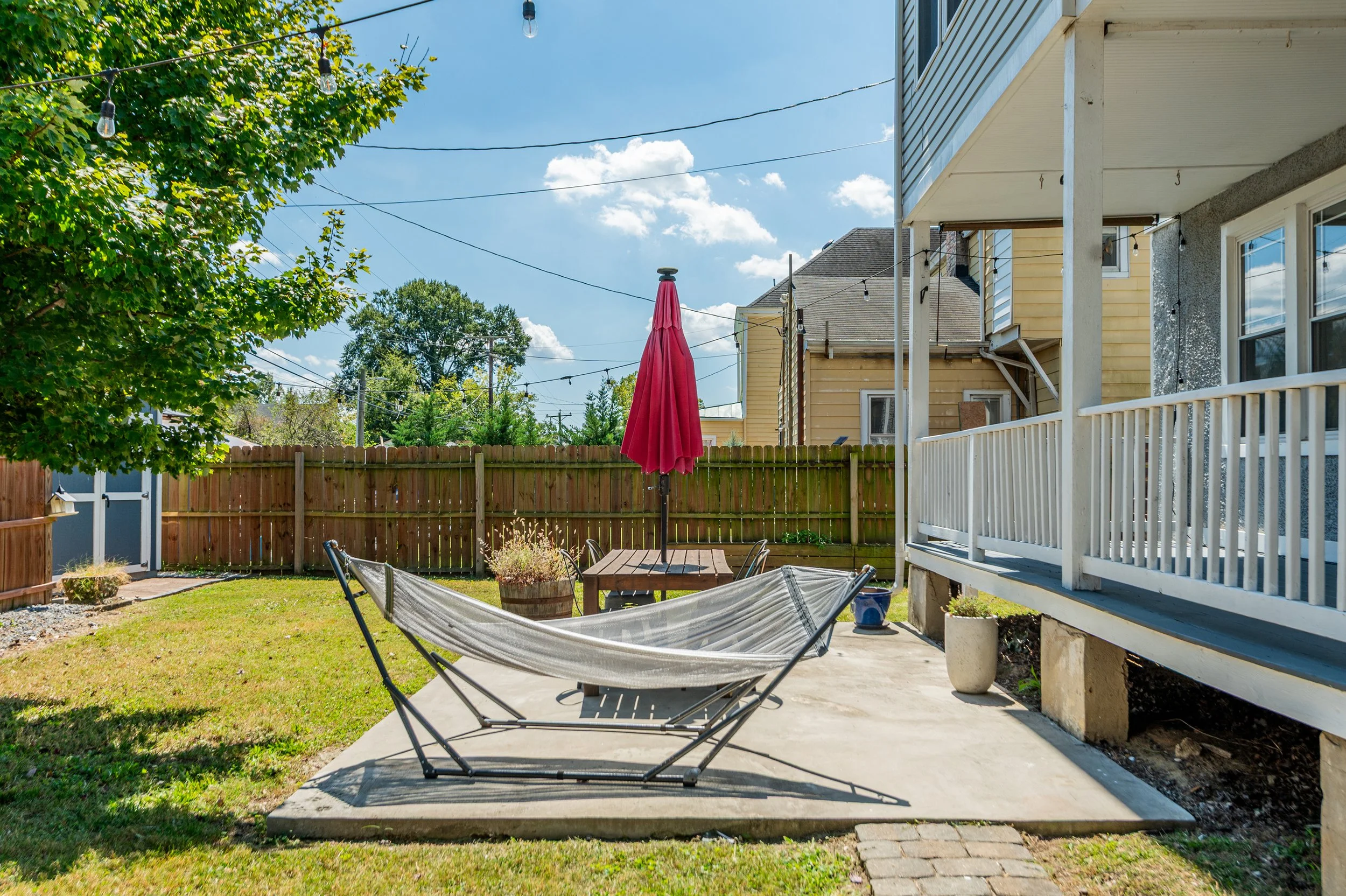
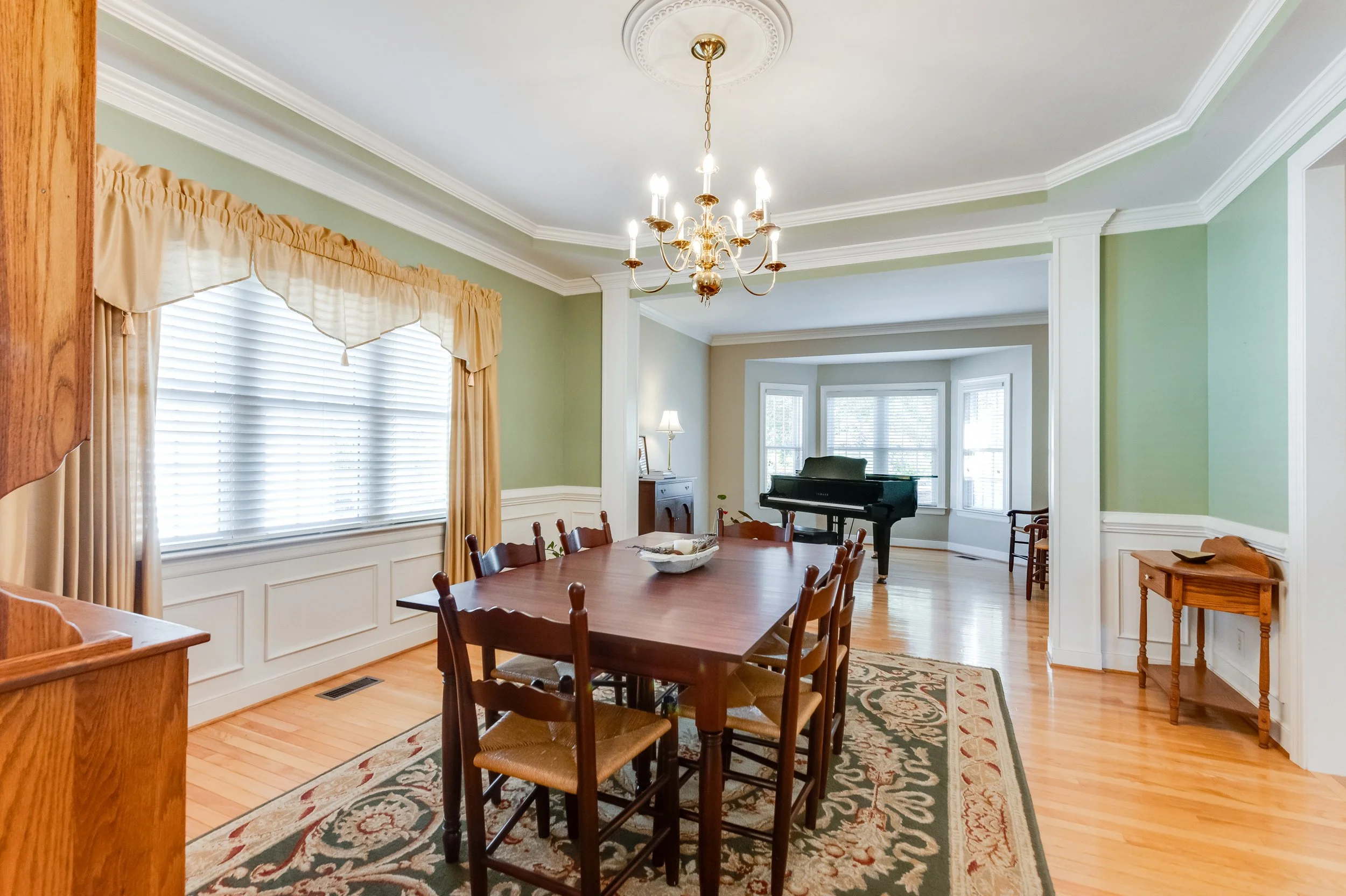
In summer, curb appeal and outdoor living matter even more. A neat, mowed yard, trimmed edges, and clean flower beds signal that the home has been cared for. Simple patio staging helps buyers emotionally “move in” on the spot. Inside, summer staging should feel airy and uncluttered — buyers notice heat, stuffiness, and visual heaviness more during warm months, so lighter textiles and a clean, open layout tend to win them over.

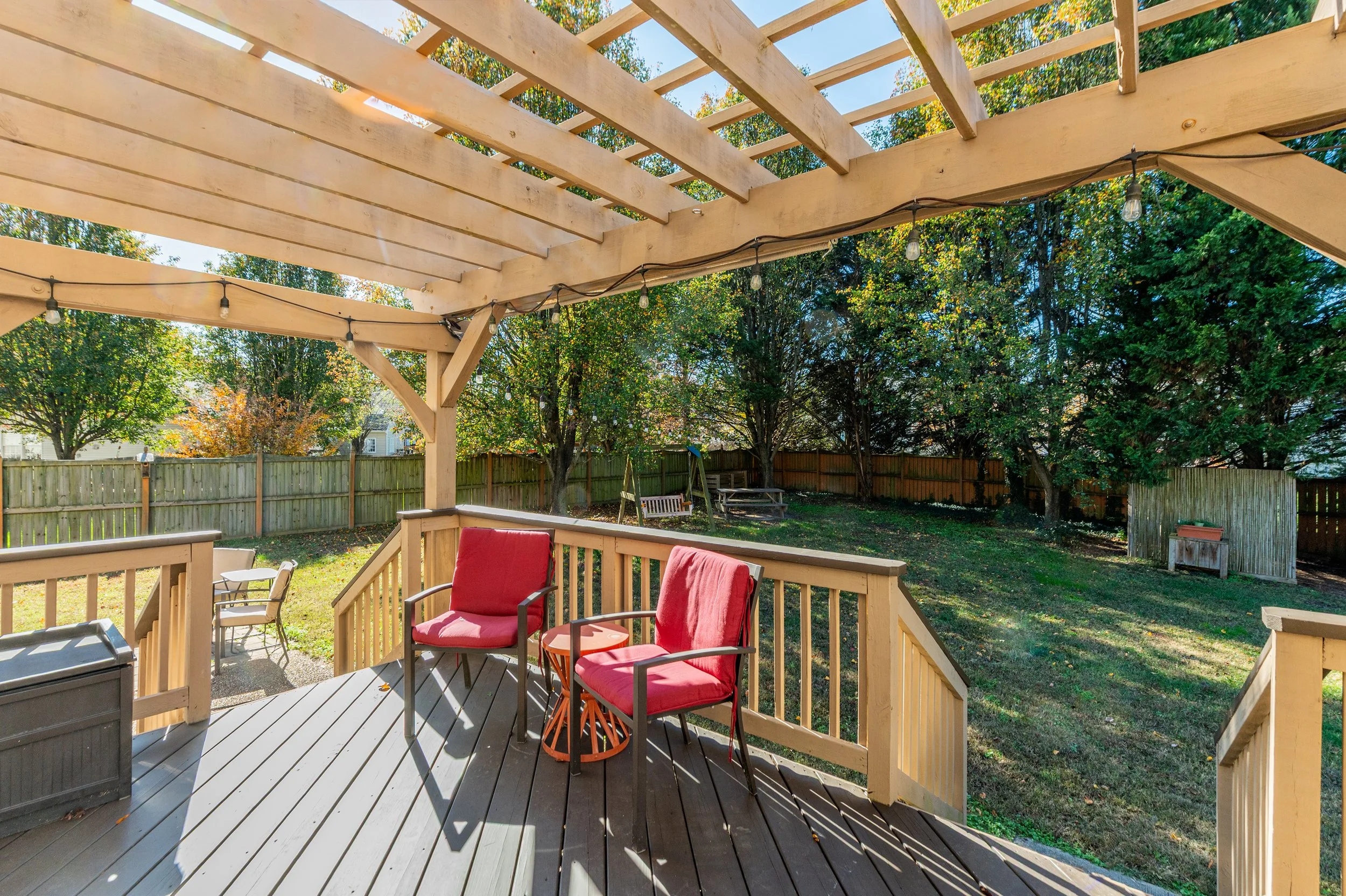
In fall, buyers gravitate toward warmth and comfort—but it’s important to keep it elevated and not overly themed. Cozy touches like layered lighting and warm neutral color schemes help the home feel inviting as days get shorter. Fall is also when buyers get more practical: they pay closer attention to maintenance, efficiency, and whether the home feels move-in ready heading into winter.
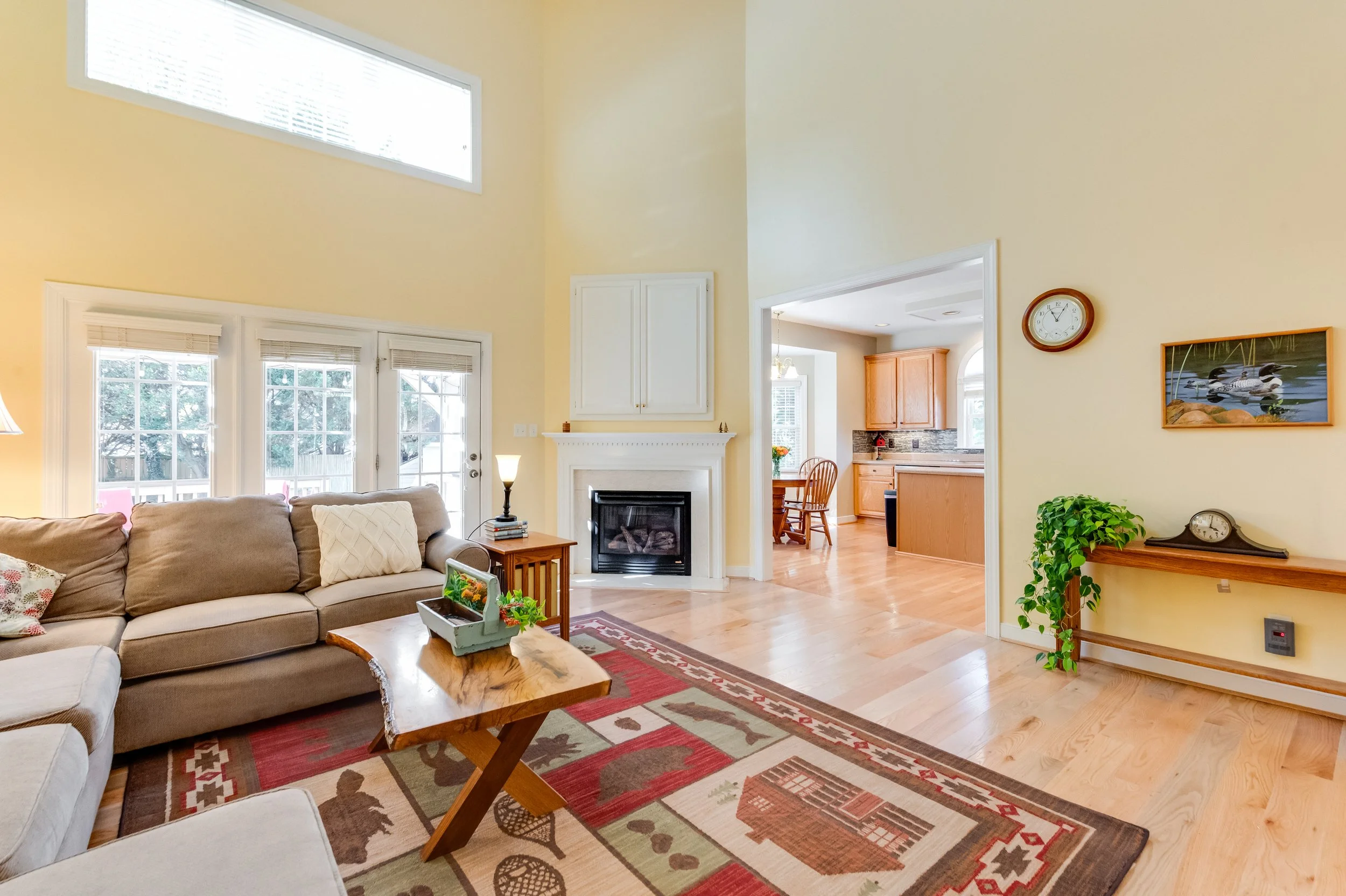
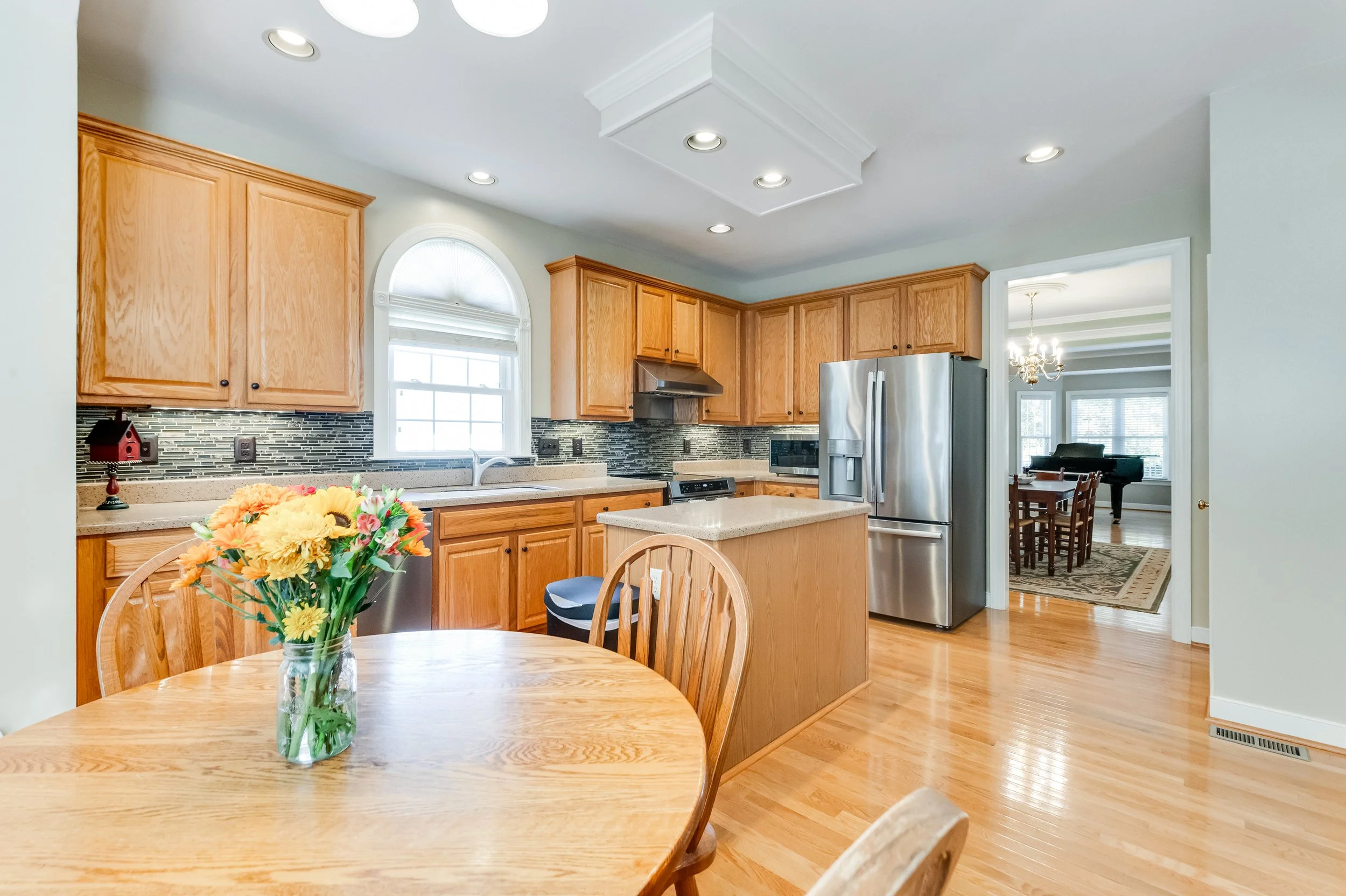
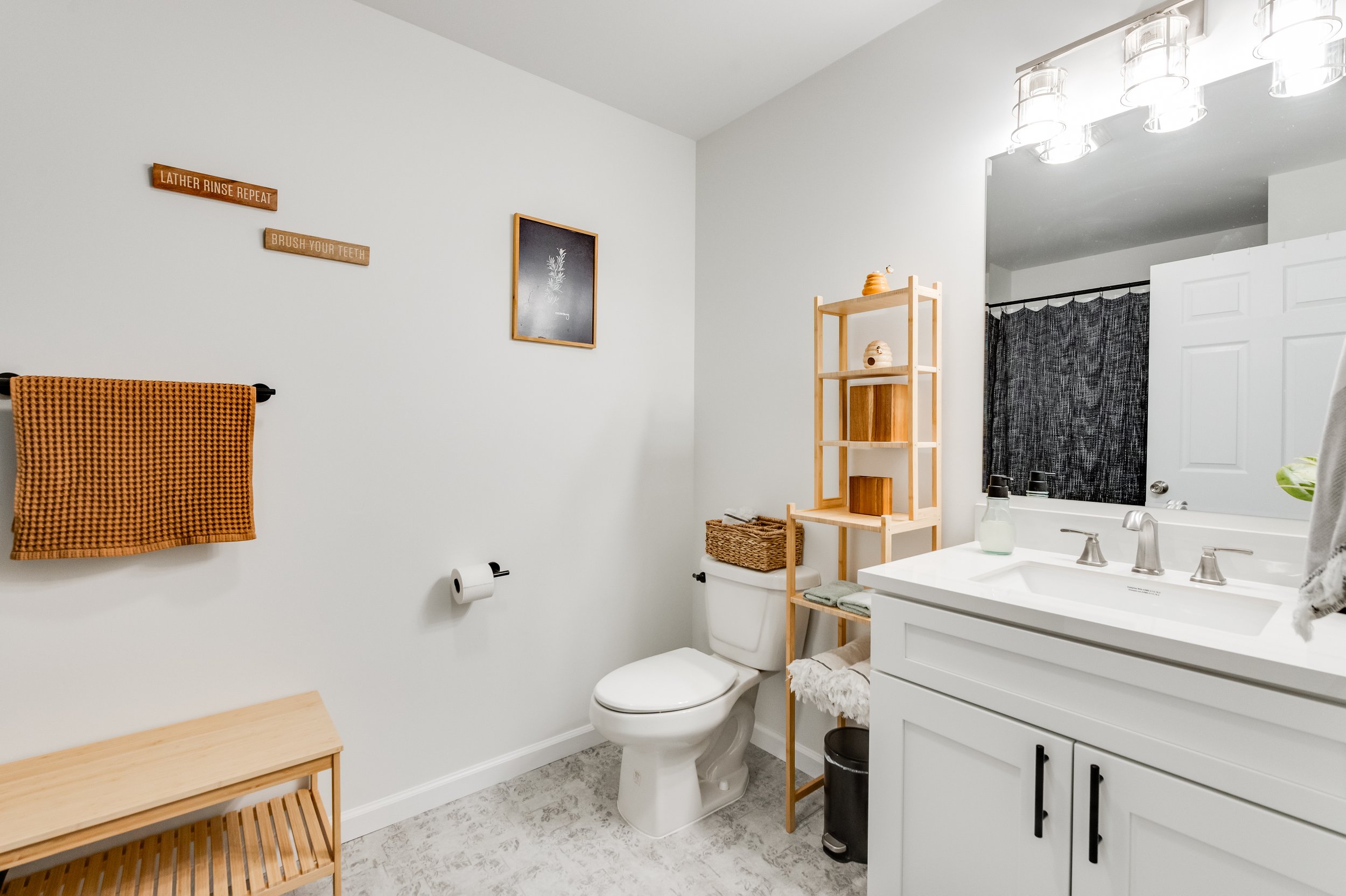
In winter, the goal is bright, cozy, and impeccably clean. Since landscaping may not be at its best, the interior experience needs to carry more weight: good lighting in every room, clean floors and rugs, and a warm, comfortable feel throughout. Minimal seasonal décor can be helpful to make a space feel more like home to a potential buyer, but it should never distract from the home itself — buyers need to be able to see the layout, not just the ornaments.
Common Seller Mistakes
One of the biggest seasonal mistakes is listing too close to major holidays or during peak travel stretches, when showings and buyer attention can drop simply due to schedules. If you do need to list around those times, the launch has to be extra strong—great photos, easy showing access, and a very clear pricing strategy—because you can’t rely on heavy foot traffic to create momentum.
Another common misstep is overpricing a home simply because it’s a “hot season.” Even when demand is stronger, buyers tend to also have more choices, so overpriced listings get skipped quickly online. Once a home sits and needs reductions, it often loses its leverage. Busier seasons like spring and fall can influence activity, but it doesn’t override value — buyers will still compare your home against competing options and recent sales.
Sellers also underestimate how much seasonal comfort affects impressions. A home that feels too hot in summer, too dark in fall, or too cold in winter can distract buyers from the positives and create unnecessary doubt. Small fixes — comfortable temperature, fresh air, clean scent, strong lighting — make a bigger difference than people expect, especially during slower seasons when buyers are more detail-focused.
Personal Experience
In real life, the best results usually come from the cleanest overall story: strong first impression online, thoughtful presentation in person, and pricing that matches the current market—not the one from last year or even last month. I’ve also found that “slower” seasons can still produce excellent outcomes because the buyers who are shopping then tend to be more serious; the key is removing any possible friction by being ready for showings and clearly positioned as a great value. I've gotten many sellers over asking price in the winter when other agents write it off as a dead selling season. It's all in how you prep and price the home.
I also see micro-markets play out constantly. The right timing and strategy can differ dramatically depending on neighborhood, school zone, house style, and price band. That’s why local knowledge matters so much—because a tailored plan (launch timing, prep priorities, staging focus, and pricing position) will usually outperform generic listing seasonal advice every time.
Stagers Take: Decorating a Home That Shows Beautifully In Any Season
Seasonal Décor Tips That Actually Help Buyers
Good staging — right alongside smart listing timing — can make or break a home’s sale success. This is why I provide each of my staging consultation clients with a short seasonal checklist to help them subtly style their homes for the time of year. We’re talking small changes, big impact for both photos and in-person showings. Here are some of my favorite seasonal styling tips:
Spring: Open curtains, soft light-colored linens, simple greenery, and fresh flowers.
Summer: Curb appeal comes first — keep the yard looking its best. Indoors, use lighter textiles and pops of bright color.
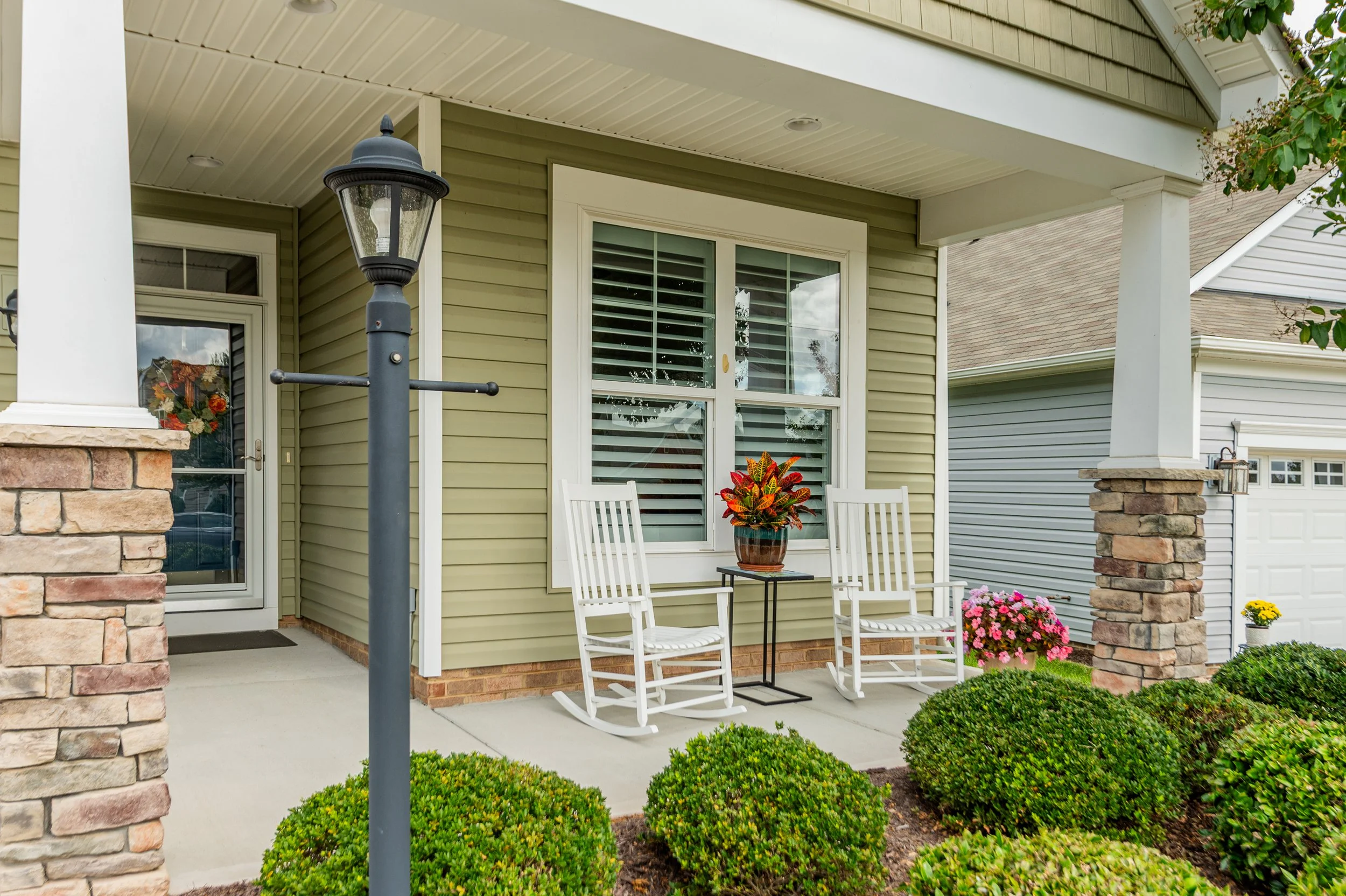
Fall: Neutral textured throw blankets, a tasteful wreath on the front door, and warm, cozy scents.
Winter: Warm-toned bulbs, clean windows, layered lighting, and subtle, minimal holiday décor.
Prepping for Real Estate Photography
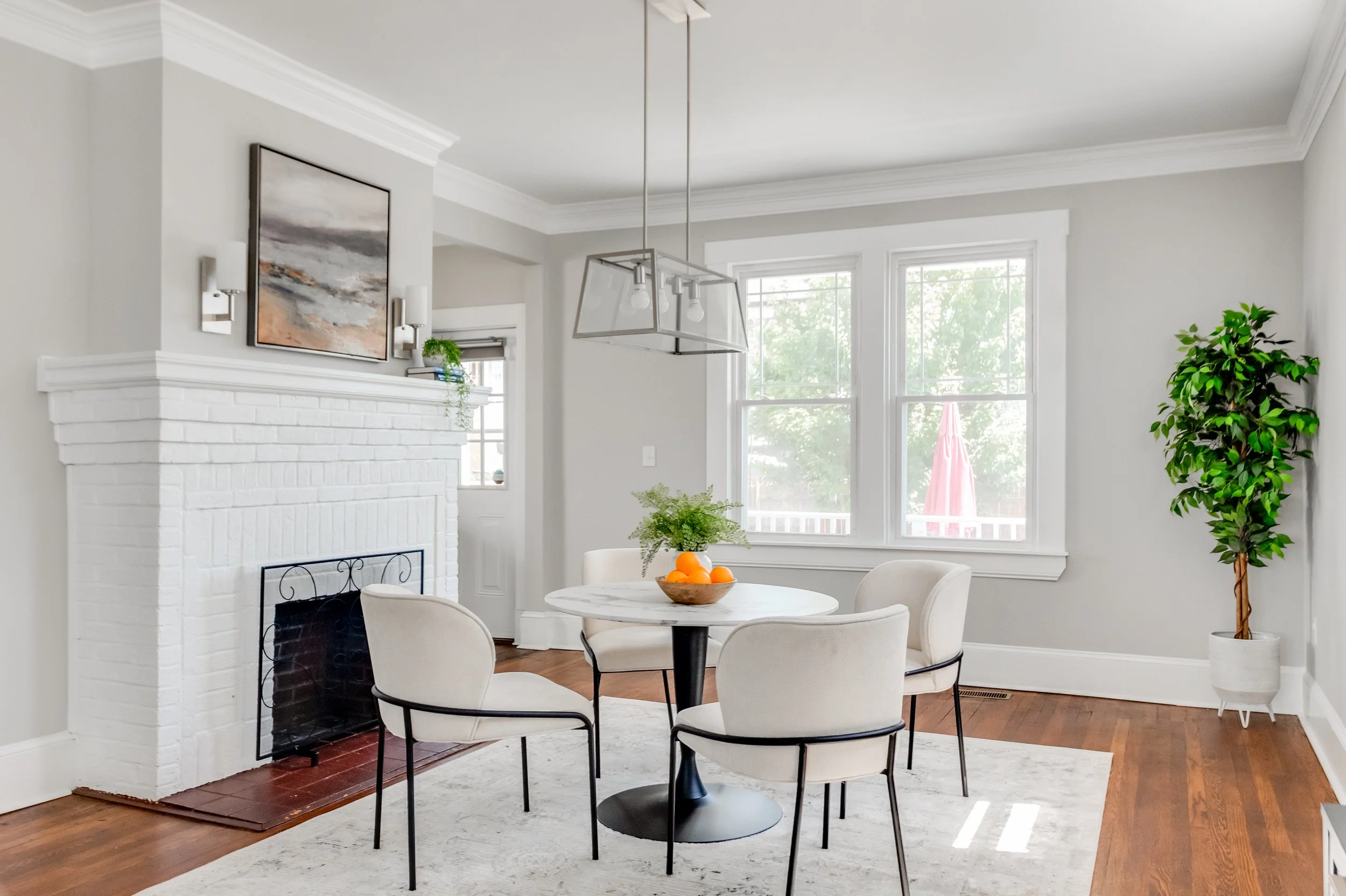
Getting your home photo-ready is a little different from getting it showing-ready. Homes photograph best when they’re clear of clutter, styled intentionally, and clean from top to bottom. Here are my best tips for photo prep:
Remove visible clutter. If this means using closets temporarily during photos, that’s fine — but plan to properly declutter again before your listing goes live.
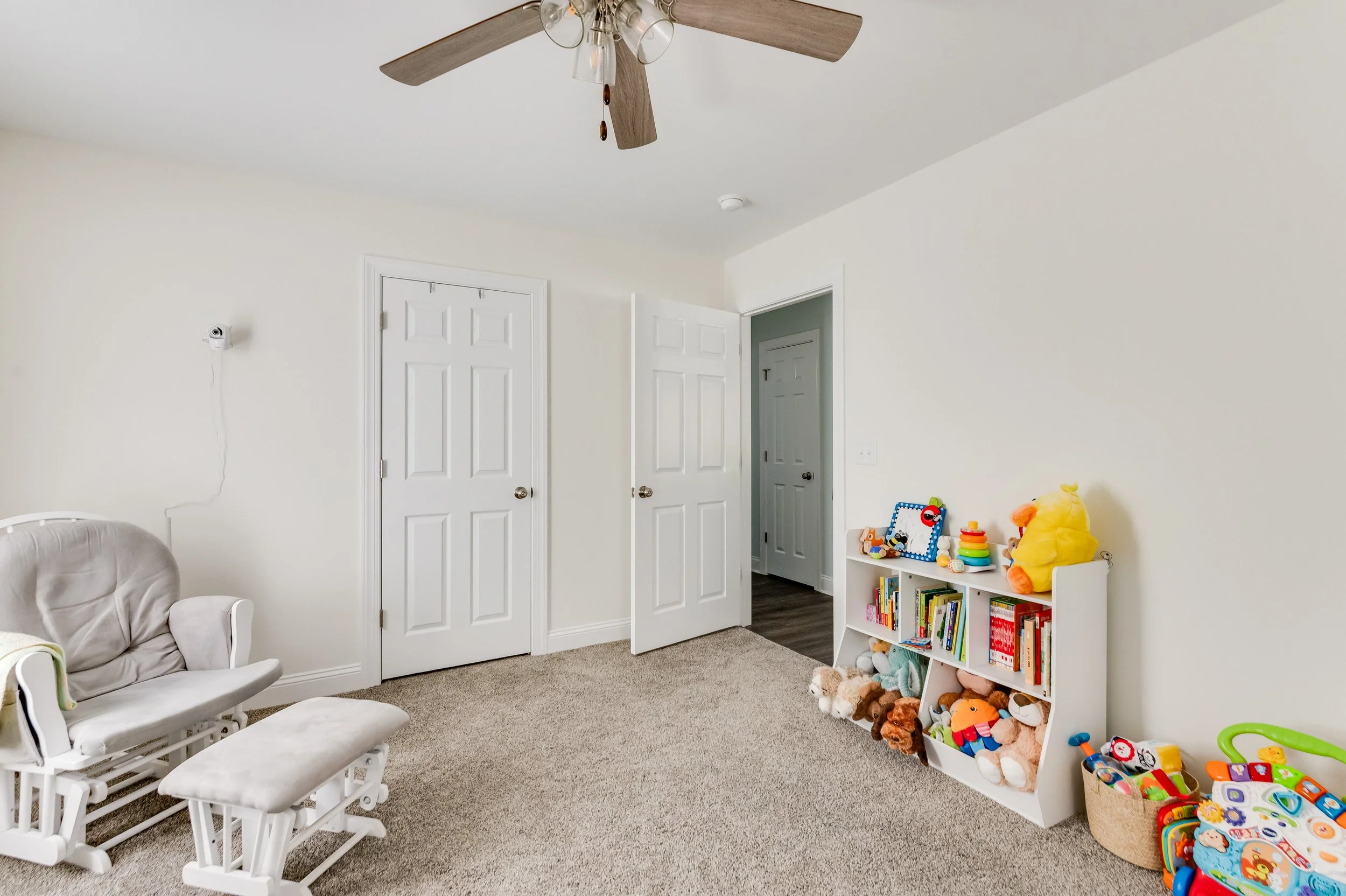
Put kids’ toys away or keep them contained in a designated space like a playroom or bedrooms.
Think about sight lines, especially from the entryway and through main walkways.
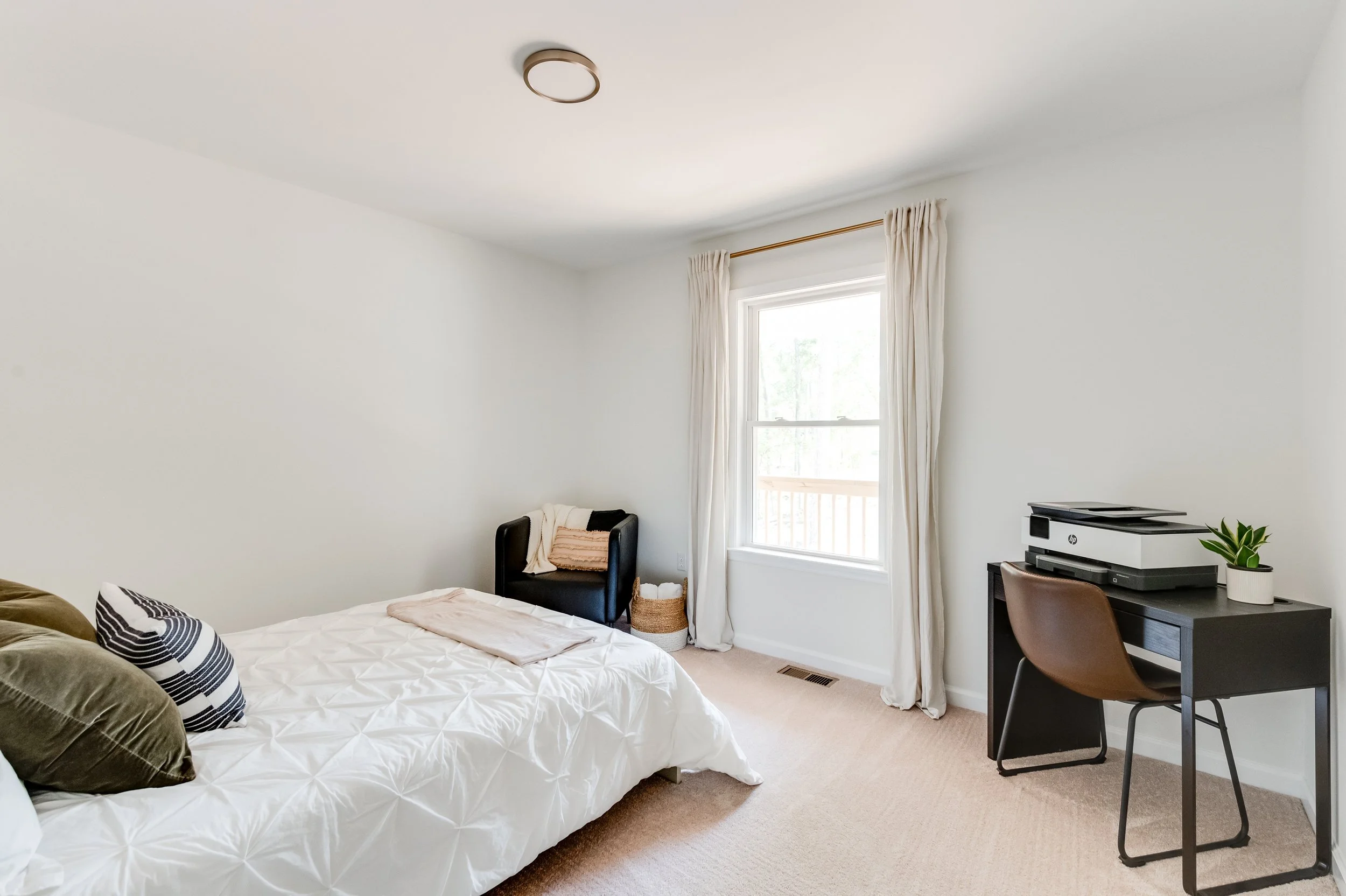
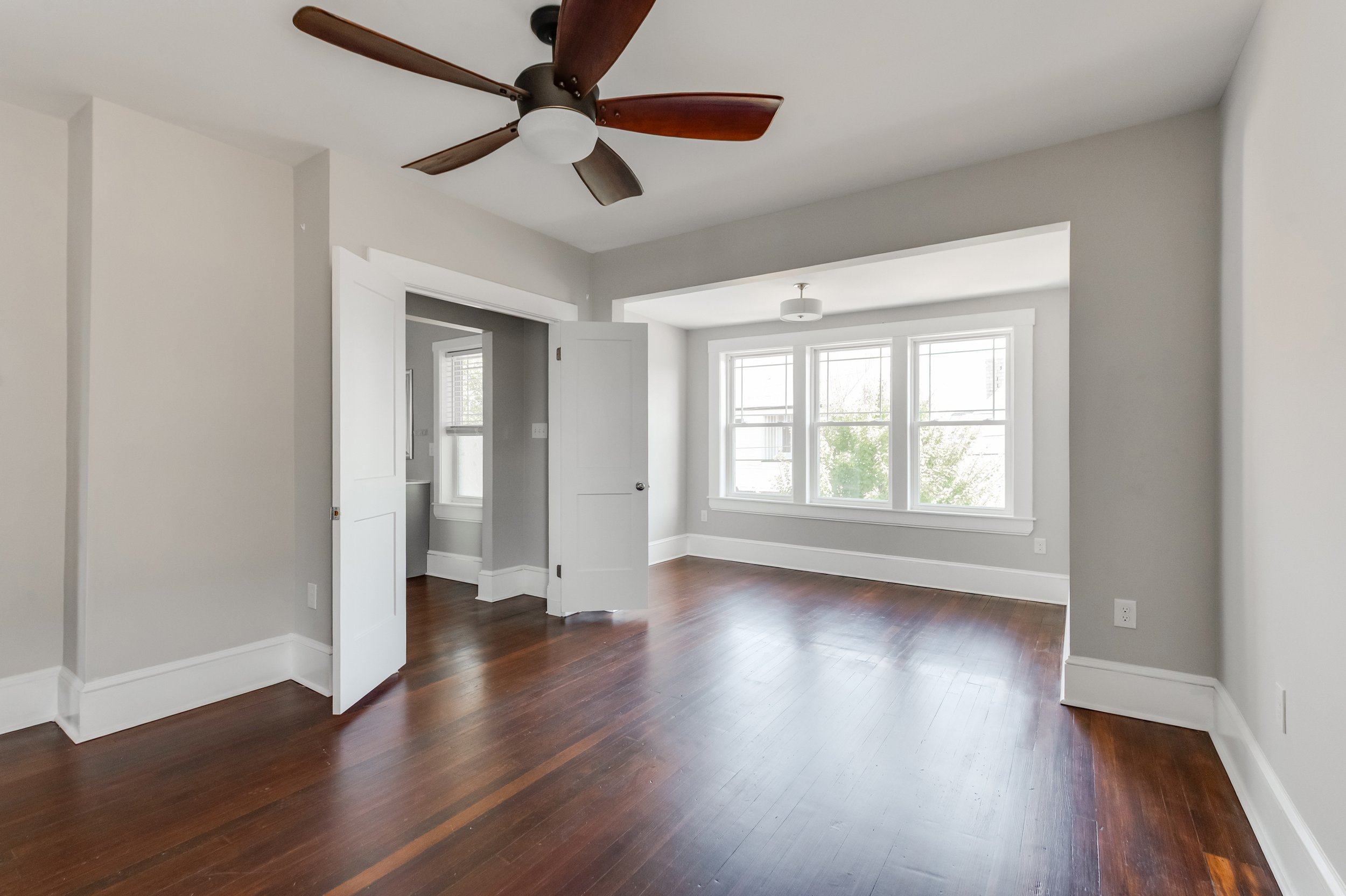
Open all curtains and blinds for maximum natural light.
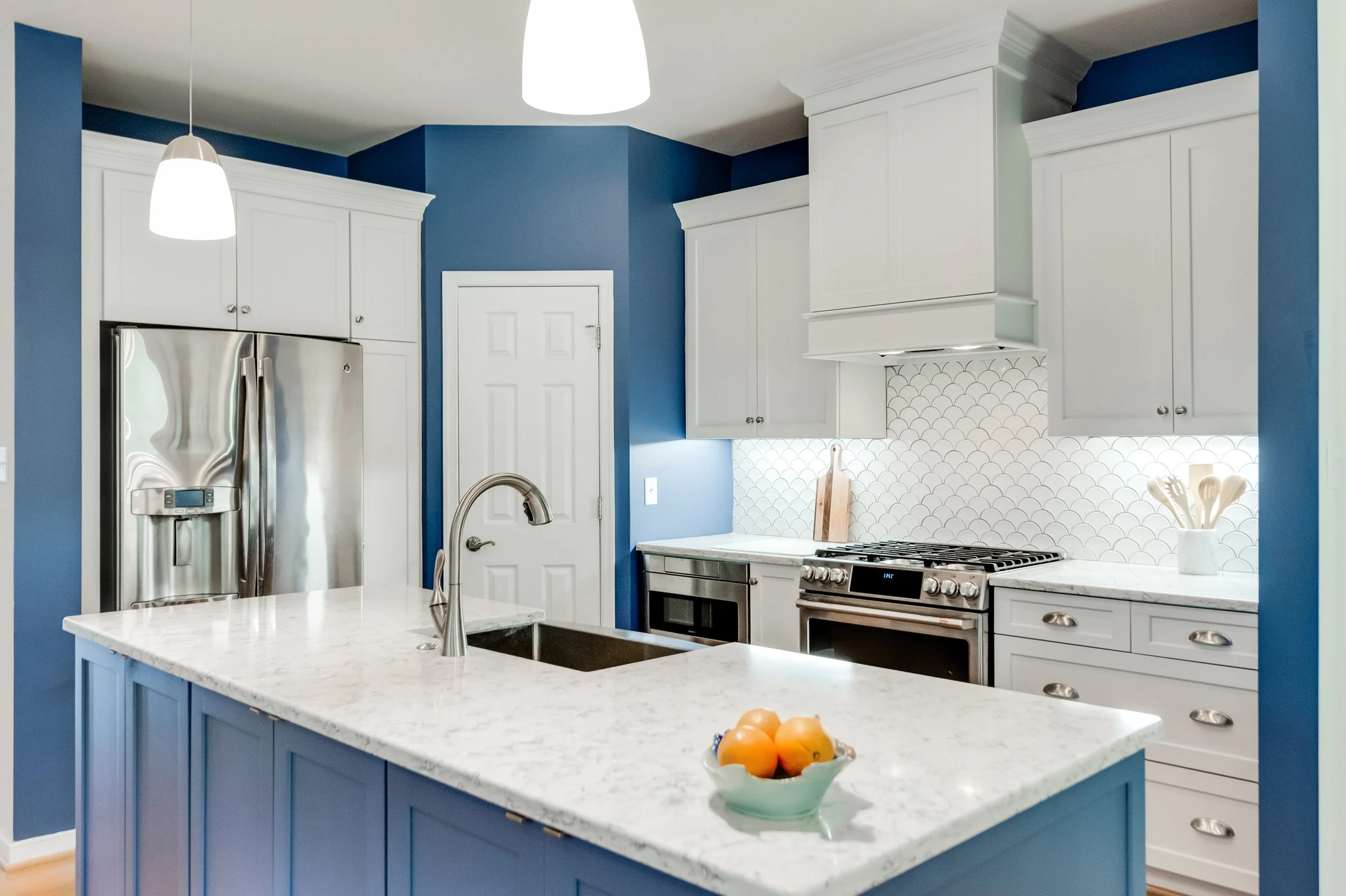
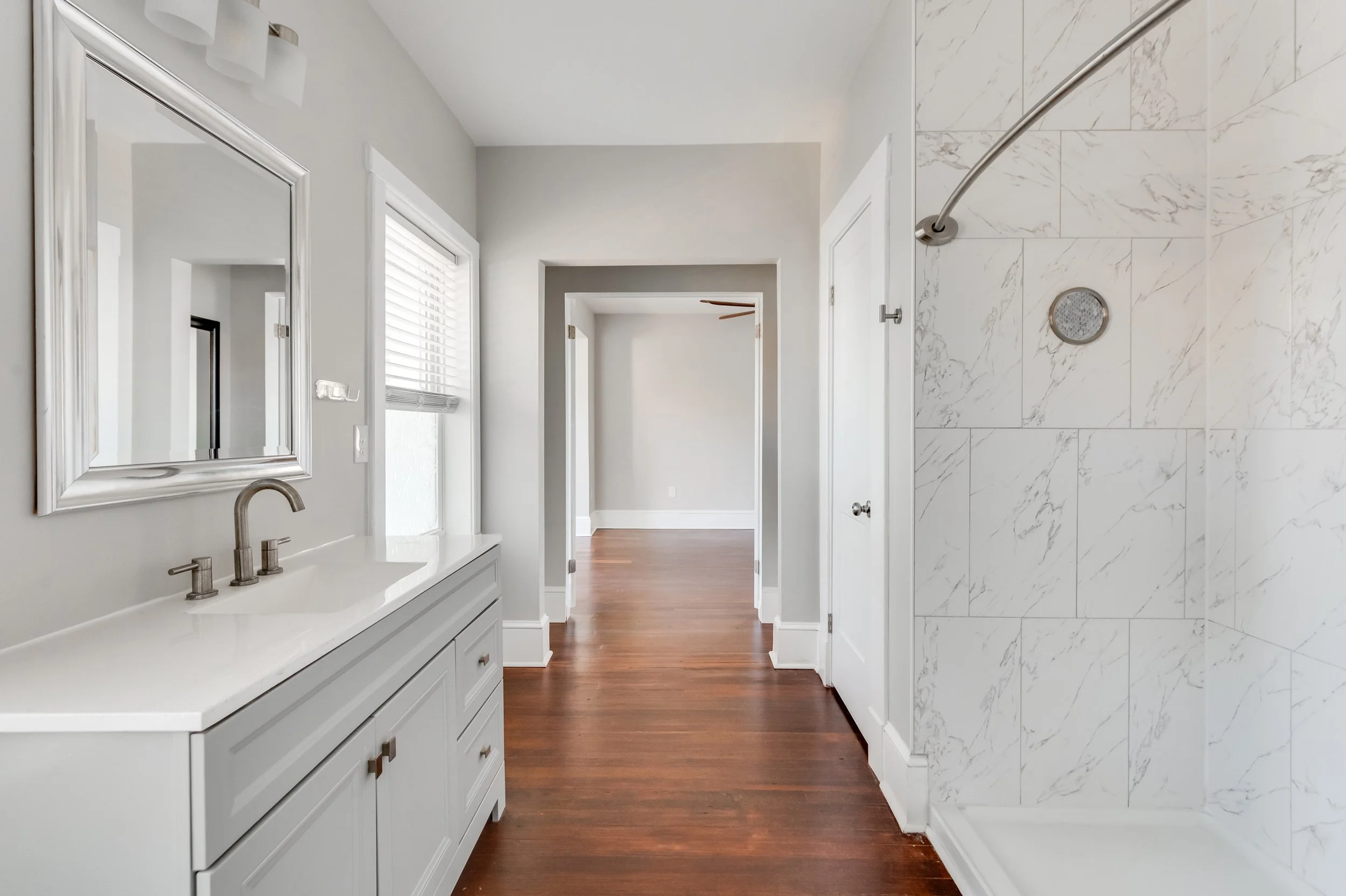
Consider paint colors. Unique paint choices can give a home personality, but most buyers prefer a neutral backdrop that lets them imagine their own style. Soft whites, creams, grays, and beiges are safest.
How to Keep Your Home Showing-Ready — Even with Kids
This is often the hardest part of listing a home, especially with little ones who can undo your cleaning in minutes. Showings can be sudden, and if you’re serious about selling, these simple habits make a big difference:
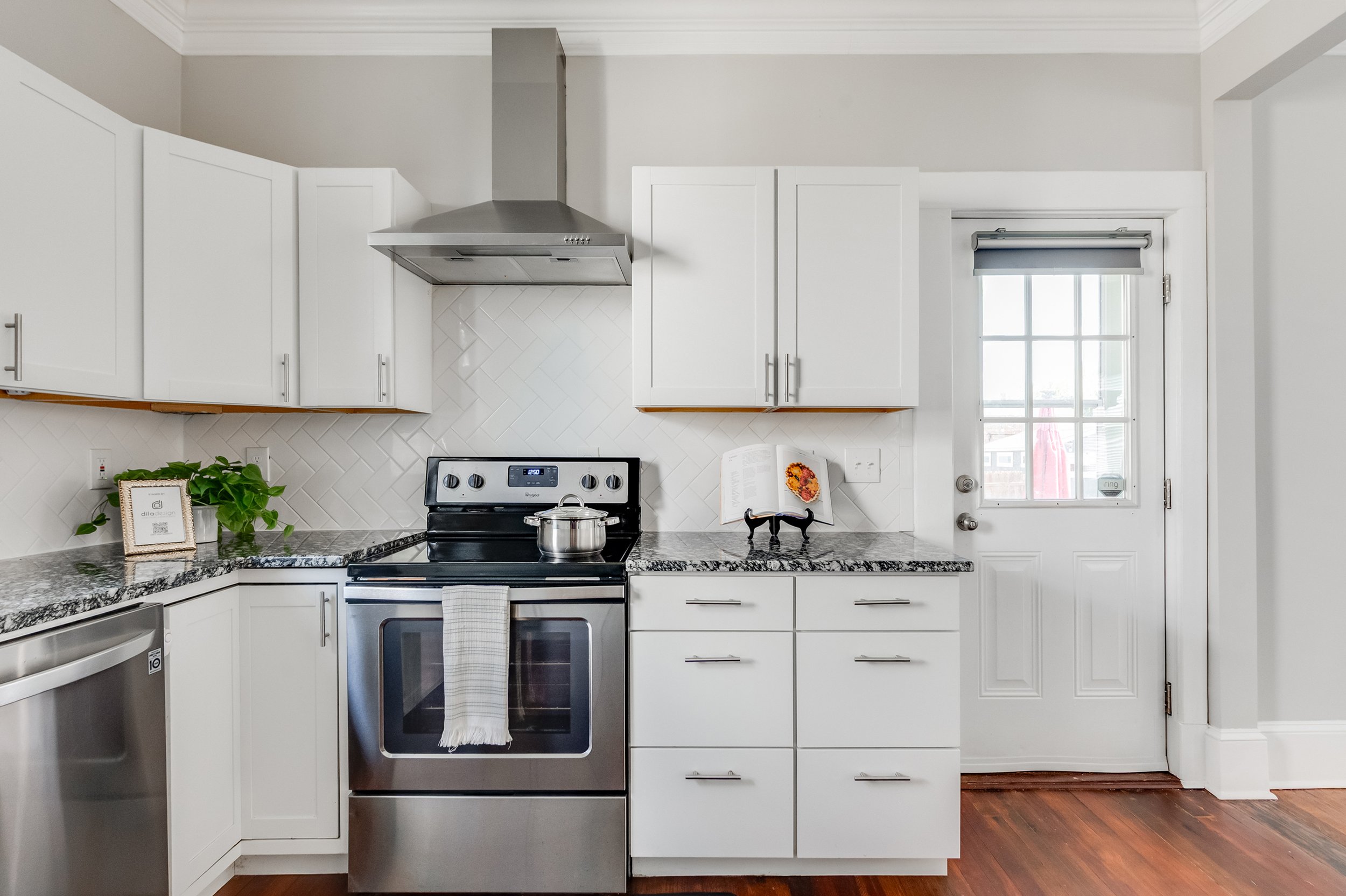
Keep daily clutter to a minimum. Focus on countertops, dining tables, and entryways — the spots that collect clutter fastest and look the most chaotic.
Get your kids involved. School-aged children can help with tidying and maintaining their spaces. If this isn’t a habit yet, listing your home is the perfect time to start.
Clean, clean, clean. The cleaner your home is, the more universally appealing it becomes.
Have a same-day showing plan. Usually this means doing dishes, taking out the trash, and clearing any visible clutter.
Avoid stuffing closets at the last minute. Buyers will open closets to check storage, so keep them as neat as possible.
Tiny, High-Impact Upgrades for Any Season
Everyone wants low-cost, low-effort ideas for making their home more appealing before listing. These quick wins can all be done in an afternoon and for around $100 or less:
Replace light switch and outlet covers if they’re faded or yellowing — just make sure they don’t clash with old switches.
Add fresh plants. Mums in the fall or potted perennials in spring instantly lift curb appeal.
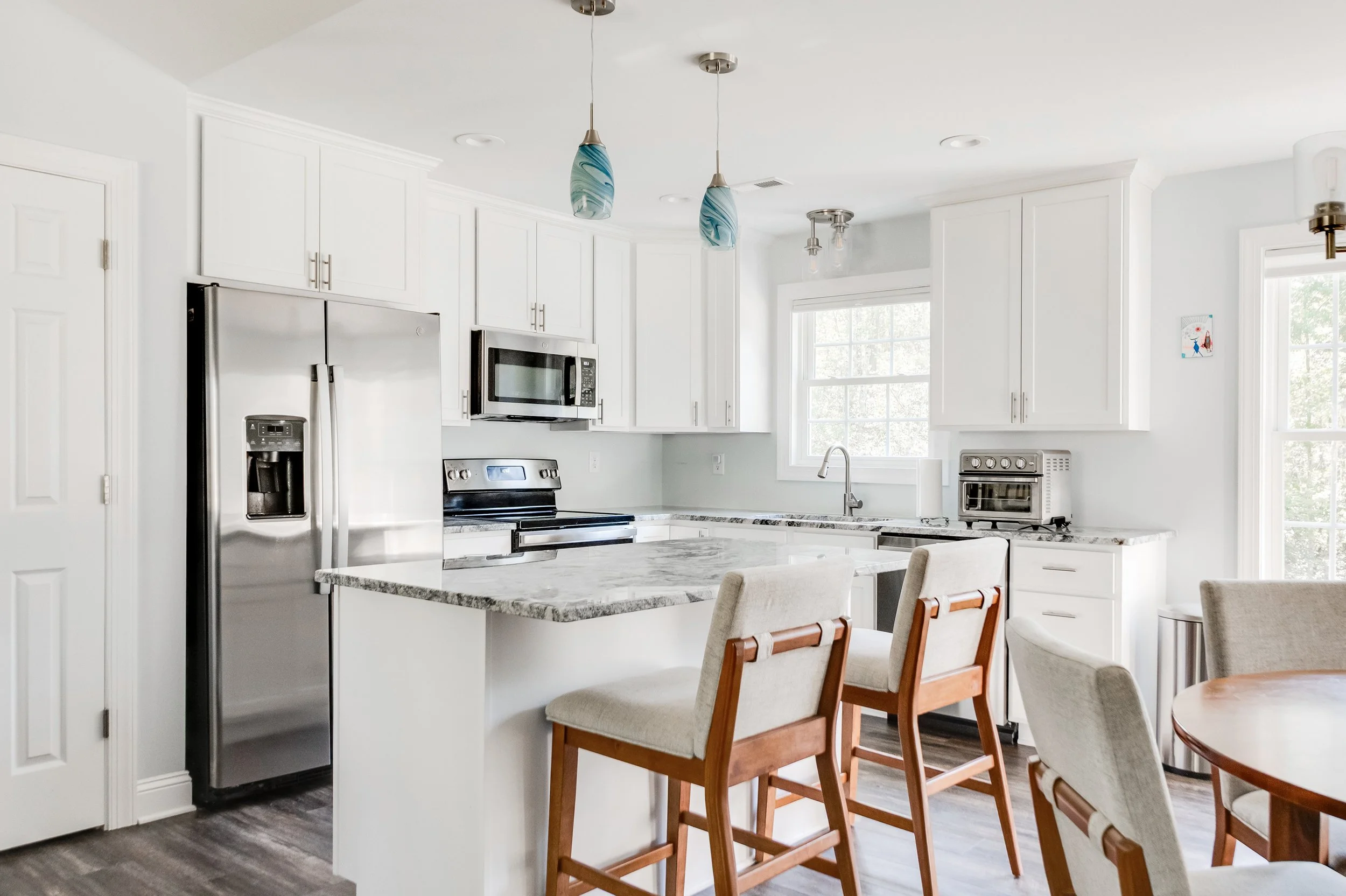
Update light bulbs. Smart LEDs let you adjust warmth depending on the season and create a more welcoming glow.
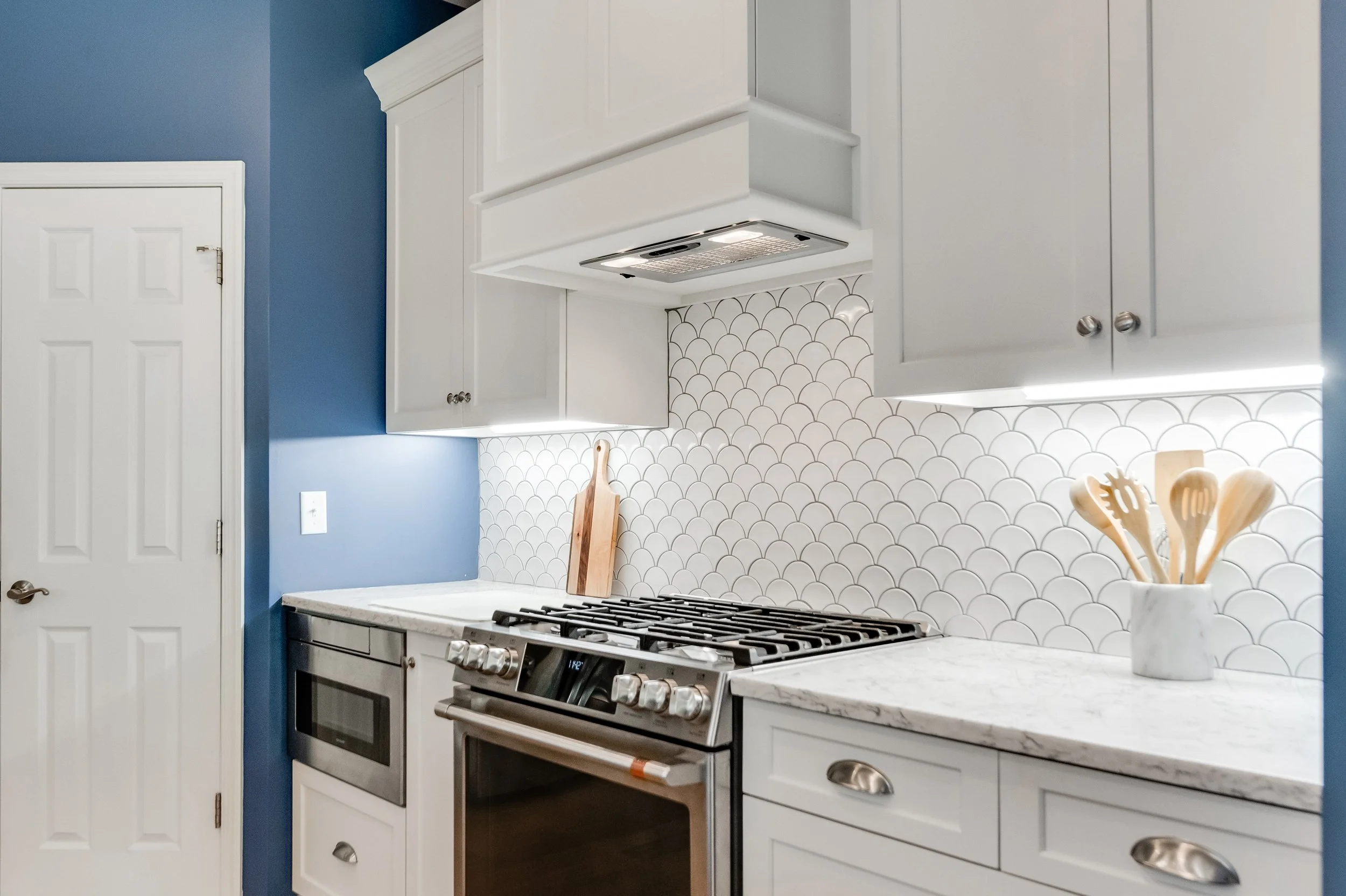
Upgrade hardware. Replacing faucets or cabinet handles can elevate a space quickly, even if you start with just one area.
Tidy the exterior. Leaf blowing, mowing, edging, and clearing porches make a huge difference.
What Sellers Often Forget
As Kacie mentioned earlier, seasonal comfort has a major influence on first impressions. Here are a few often-overlooked details that can instantly help your home feel cleaner, brighter, and more welcoming:
Clean vent returns and baseboards before photos — you likely won’t need to redo them before the home sells.
Air out the home. If weather allows, open windows to bring in fresh air and eliminate lingering odors.
Clean the windows. It helps your home feel cleaner and noticeably brighter.
Set the temperature wisely. For showings, aim for 68–72°F. I like 68° in winter, 72° in summer, and around 70° in spring or fall.
Wash throw blankets and pillow covers. Especially if you have pets or kids, doing this right before listing can dramatically improve how fresh the home smells.
From Strategy to Style: Bringing It All Together
Selling your home doesn’t have to feel overwhelming. With thoughtful styling, intentional lighting, and small décor changes, you can instantly highlight your home’s best features and create a feeling buyers connect with the moment they walk in. And when you pair those design choices with a local realtor’s insight on current market trends, timing, and what buyers are prioritizing right now, you set yourself up for a smoother, more confident selling experience.
Success often comes down to building the right team. Take time to do a bit of research, ask questions, and surround yourself with professionals who genuinely understand your goals. With thoughtful preparation and trusted expertise by your side, you’re not just putting a house on the market — you’re stepping into the process with clarity, support, and a plan that truly works for your home.
Looking for trusted real estate guidance in Richmond, VA and the surrounding areas? You can learn more about working with Kacie by visiting her website - Oak Realty RVA
Photography by Ellis Noble Photography